Diabetes Education Program

Supporting patients and families in managing diabetes through education, counselling, and personalized care.
Nurse in purple scrubs demonstrates a blood glucose monitor and test strip to a seated patient during a consultation.

Clinical, Chronic Disease Management

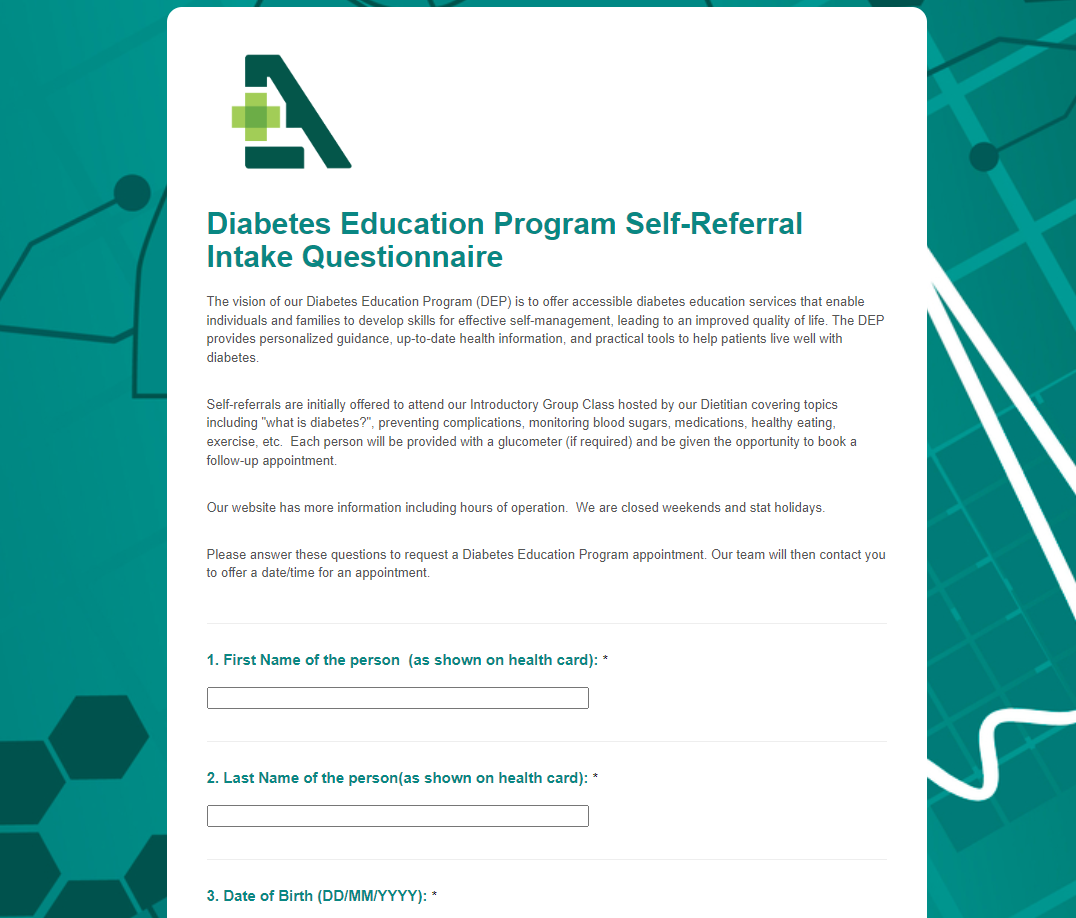
The vision of our Diabetes Education Program (DEP) is to offer accessible diabetes education services that enable individuals and families to develop skills for effective self-management, leading to an improved quality of life. The DEP provides personalized guidance, up-to-date health information, and practical tools to help patients live well with diabetes.

Location

Hours of Operation

Key Service Highlights

  • Individual diabetes and nutrition counselling
  • Insulin start and adjustment support
  • Monthly evening clinic and rural outreach
  • Education to support self-management and prevention

Services Offered

  • Individual diabetes and nutrition counselling
  • Group education programs
  • Insulin starts
  • Insulin adjustment clinic
  • Satellite clinic in Northbrook
  • Inpatient diabetes education services
  • Consult request via Emergency Room Kiosk registration

Program Details

Eligibility and Referrals

  • Physician and healthcare provider referrals accepted
  • Self-referrals are welcome
  • All patients must have a booked appointment

Preparing for Your Appointment

  • Bring your Ontario Health Card (OHIP)
  • Logbook and glucose meter
  • Current medication and insulin list
  • Any questions you may have
  • You are encouraged to bring a family member or support person

Why Self-Refer?

Pre-diabetes is diagnosed when your blood sugar levels are higher than normal, but not yet high enough to be diagnosed as type 2 diabetes. Research has shown that some long-term complications related to diabetes (heart disease and nerve damage) can begin during pre-diabetes.

Pre-Diabetes Diagnostic Criteria

  • Test 1: Fasting Blood Glucose – 6.1 to 6.9 mmol/L (Normal: 3.5 to 6)
  • Test 2: Random Glucose (2 hours post-meal) – 7.8 to 11.0 mmol/L (Normal: <7.8)
  • Test 3: A1C (average blood sugar over 3 months) – 6.0% to 6.4% (Normal: 4% to 6%)

Type 2 Diabetes Risk Factors

Diabetes is a serious condition and is increasing worldwide. In Canada, the prevalence is estimated to be 6.8% of the population. Some people are at higher risk of developing diabetes due to their family history and their ethnic background. Others are at higher risk because of their lifestyle choices.

The good news is we now have research that shows us that Type 2 diabetes can be prevented or delayed if you find out early and make some lifestyle changes.

Risk Factors for Type 2 diabetes

  • Over the age of 40
  • First-degree relative with type 2 diabetes (i.e. mother, father, brother, sister, etc.)
  • Member of a high-risk population (i.e. Aboriginal, African, Asian, Hispanic or South Asian descent)
  • History of gestational diabetes or have delivered a large baby (i.e. over 9 lbs)
  • Pre-diabetes
  • Complications associated with diabetes (i.e. eye, kidney or nerve damage)
  • Cardiovascular complications (i.e. heart attack, stroke, or peripheral vascular disease)
  • High cholesterol or high triglycerides
  • High blood pressure
  • Overweight, especially around your waist
  • Polycystic ovarian syndrome
  • Steroid medications for other diseases

Resources & Downloads

Referral & Booking Information

Referral Requirements
Referrals accepted from physicians, other healthcare providers, and patients themselves. Fax referrals to 613-354-6024.
Booking Details
All appointments must be pre-booked. Call 613-354-3301 ext. 285 for more information.

FAQs

Whether you're newly diagnosed or managing diabetes long term, this section answers common questions about our education sessions, referral process, and available support resources.

Do I need a referral to access the Diabetes Education Program?

No. While referrals from healthcare providers are accepted, self-referrals are also welcome.

What should I bring to my appointment?

Your Ontario Health Card (OHIP), glucose meter, logbook, current medications/insulin, and any questions you may have.

Where is the clinic located?

The Diabetes Education Program is in the Lenadco Complex at 310 Bridge Street West, Napanee. Follow posted signage. See map

Can I bring someone with me?

Yes, we encourage patients to bring a family member or support person.

Are evening or rural clinics available?

Yes, one evening clinic and one Northbrook satellite clinic are held each month, with other flexible options available.

Table of Contents